
Donald Davis's Parallel Confessions
Mr. MercedesThis parallel criminal case moves from suspicion over a missing wife to a confession that unexpectedly claims a string of highway murders and briefly complicates Hodges's pursuit.
increasing Bearing strength in each event
 decreasing
Bearing strength in each eventdecreasingA Missing Wife
A Missing Wife
The Disappearance
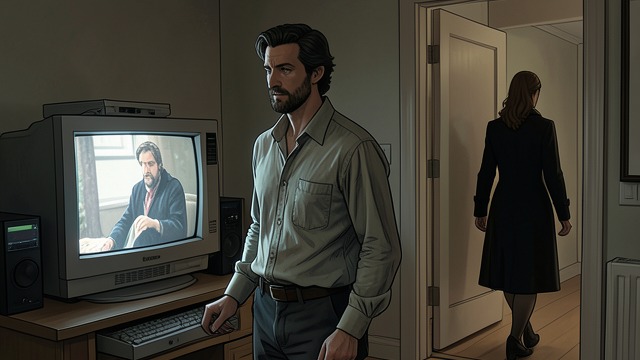
Donald Davis reports his wife Sheila missing after their troubled business and marriage have deteriorated. He declares bankruptcy on the same day and appears before television cameras as a bereaved husband, presenting an image that persuades many observers that he wants her safely returned.
Suspicion Without a Body
K. William Hodges and Pete Huntley believe Davis killed Sheila, but they have no body and no evidence sufficient to charge him. The absence of physical proof turns the case into a long wait, while Davis's public display of grief makes the investigators' certainty difficult to translate into legal action.
The unresolved case becomes one of the files Hodges asks Pete about after retirement. Its stalled progress contrasts with the direct, urgent challenge of the Mercedes investigation that is beginning to draw Hodges back into police work.
The Cabin Blood

The Cabin Blood
A Break in the Case
Investigators discover blood belonging to Sheila Davis at the couple's summer cabin near a lake in Victory County. Two children had also placed Donald Davis in the area before Sheila's disappearance, although Davis claimed he had been mushroom hunting.
A Lead, Not Yet a Resolution
The discovery strengthens the theory that Davis killed his wife, but the search for her remains is still underway. Pete Huntley tells Hodges about the new evidence during their lunch, explaining why the case may finally move beyond suspicion.
For Hodges, the update is both a reminder of his former work and a chance to hear how the department is handling its unfinished cases. He is not yet aware that the Davis investigation will soon produce a confession broader than anyone expects.
Bones at the Gravel Pit

Bones at the Gravel Pit
A Discovery Near the Lake
Pete receives a call from Isabelle Jaynes, who has been canvassing in Victory County. A game warden has found bones in an old gravel pit less than two miles from the Davis summer property, and the remains appear to be wearing a dress.
The Case Moves Forward
Hodges immediately understands the possible connection to Sheila Davis. Pete leaves the restaurant to join the investigation, and the news brings Hodges relief: for the moment, another case has supplied a concrete lead while the City Center killer remains unidentified.
The discovery shifts the Davis case from a missing-person mystery toward recovery and identification. It also offers a brief counterpoint to Hodges's renewed preoccupation with the crime he failed to solve.
A Sudden Walk-In
A Sudden Walk-In
Confession at the Station
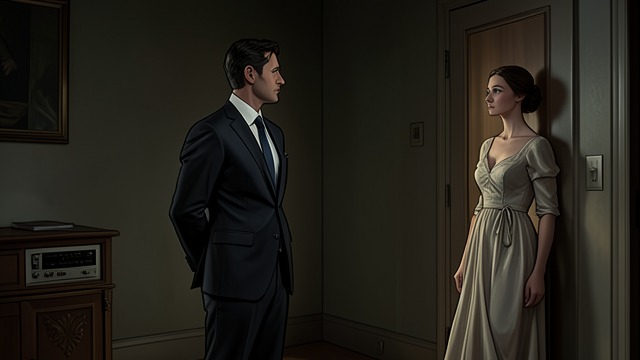
Donald Davis walks into the police station and says he wants to confess. He waives the opportunity to delay the interview for a lawyer, and Pete Huntley is astonished by the apparent willingness to discuss the crimes without resistance.
More Than Sheila's Murder
Davis does not stop at Sheila. He gives details about five women raped and killed at highway rest areas over a period of years, the unsolved crimes known as the Turnpike Joe murders. The information appears to fit what investigators know about those cases.
Pete phones Hodges with the startling news. The confession is a major breakthrough for the department, but Hodges urges Pete to ensure that Davis's right to counsel is protected before the interrogation proceeds further.
The False Shortcut

The False Shortcut
A Case That Seizes Attention
News reports announce that Davis has confessed to the highway murders as well as Sheila's killing. The revelation absorbs police attention and offers the appearance of an extraordinary, neatly packaged solution to several difficult cases at once.
A Misdirection in the Larger Story
Brady Hartsfield sees the news and fears that Davis may also claim responsibility for the City Center attack. To protect his own notoriety, he contacts Hodges and insists that Davis did not commit that crime, inadvertently revealing how deeply he needs credit for the massacre.
The Davis case is not the central pursuit, but its sudden prominence gives Hodges a way to provoke Brady and expose his need for recognition. It also underscores the danger of treating a confession as the end of inquiry rather than as a claim that must be tested.
Before Hodges's retirement in 2009
About a month before the restaurant meeting in 2010
During Hodges's lunch with Pete Huntley in 2010
Later that day in 2010
The day after the confession in 2010
